Shelling in Naples
An hour either side of low tide, a mesh bag in hand, eyes down and the Gulf at your ankles. Here's when to go, where the shells pile up, and how to do it right on the Paradise Coast.
Updated June 2026
There's a posture you'll see all along these beaches at first light: head down, hands behind the back, drifting slowly through the wrack line. It's the same bent-over scan they call the "Sanibel Stoop" up the coast, and once you start finding shells, you'll catch yourself doing it too. Naples faces west onto the Gulf of Mexico, and the same currents that give us those famous sunsets are forever sweeping shells onto the sand.
This guide is for anyone who wants to go home with a pocketful of treasure, whether that's a family killing an hour before breakfast or a serious sheller chasing the rare ones. We'll cover when to go, the beaches worth the drive, what you'll actually find, and the one rule that really matters. Once you've got the basics, plan a wider beach day over on our Beaches & Outdoors guide.
When to go shelling
Get the tide right and the rest takes care of itself.
The single best window is the hour either side of low tide, when the receding water leaves fresh shells stranded on the flats. Lows around the full and new moon drop the water the furthest and expose the most ground. Go early — a low tide at sunrise is the perfect storm, and you beat the crowds and the heat to the good stuff.
Season matters too. Winter is prime: cold fronts blow through from roughly November to March, churning the Gulf and pushing a fresh wave of shells ashore. The morning after a front or a storm is the local secret. Check a free tide app before you go, and aim to be on the sand as the water is still going out.
Where to look
From a state-park pass to a hidden lagoon, these are the spots that reward the early start.
What you'll find
There are some 400 shell species in these waters. Here are the ones you'll come to recognize.
The everyday finds are the most fun once you can name them: spiraled lightning whelks (the only common one that opens to the left), chunky little fighting conchs, glossy olive shells polished smooth by the surf, and the tiny rainbow coquinas that burrow back into the wet sand as a wave pulls out. Whole sand dollars are the trophy of any walk, along with alphabet cones, tulips and the occasional dried starfish or sea urchin.
The holy grail is the junonia — a creamy, deep-water shell with rows of brown spots that only washes ashore after a real blow, and rarely intact. Find a whole one and you've earned bragging rights for the trip. Most shellers go a lifetime without one, which is exactly what makes the hunt so addictive.
A perfect shelling morning
Five steps from the alarm clock to a bag full of treasure.
- The night before, check a tide app and pick a beach where low tide lands near sunrise — bonus points if a cold front just blew through.
- Pack light: a mesh bag (it drains and rinses sand on the spot), water shoes, sun protection and a coffee for the drive.
- Arrive at first light, head for the wrack line — that ribbon of seaweed and debris the tide leaves behind — and walk slowly with the sun at your back.
- Do the stoop: scan the shallows and the just-exposed flats, and gently nudge piles with your foot. The best shells often hide under the obvious ones.
- Check each keeper for a living tenant, rinse your finds, and reward the early start with breakfast back in Old Naples.
Where to go next
More beach, more islands, more reasons to keep your shoes off.
Delnor-Wiggins Pass
A nationally ranked barrier-island beach with great shelling, snorkeling and dolphins by the pass.
Marco Island
Tigertail's hidden lagoon, wide white beaches and the gateway to the Ten Thousand Islands.
Sanibel & Captiva
The shelling capital of the world, about 45 minutes north — and home of the legendary junonia.
Beaches & Outdoors
Every Naples beach plus dolphin cruises, mangrove paddles and sunset spots, in one guide.
Book a shelling boat tour
Sand Dollar Shelling
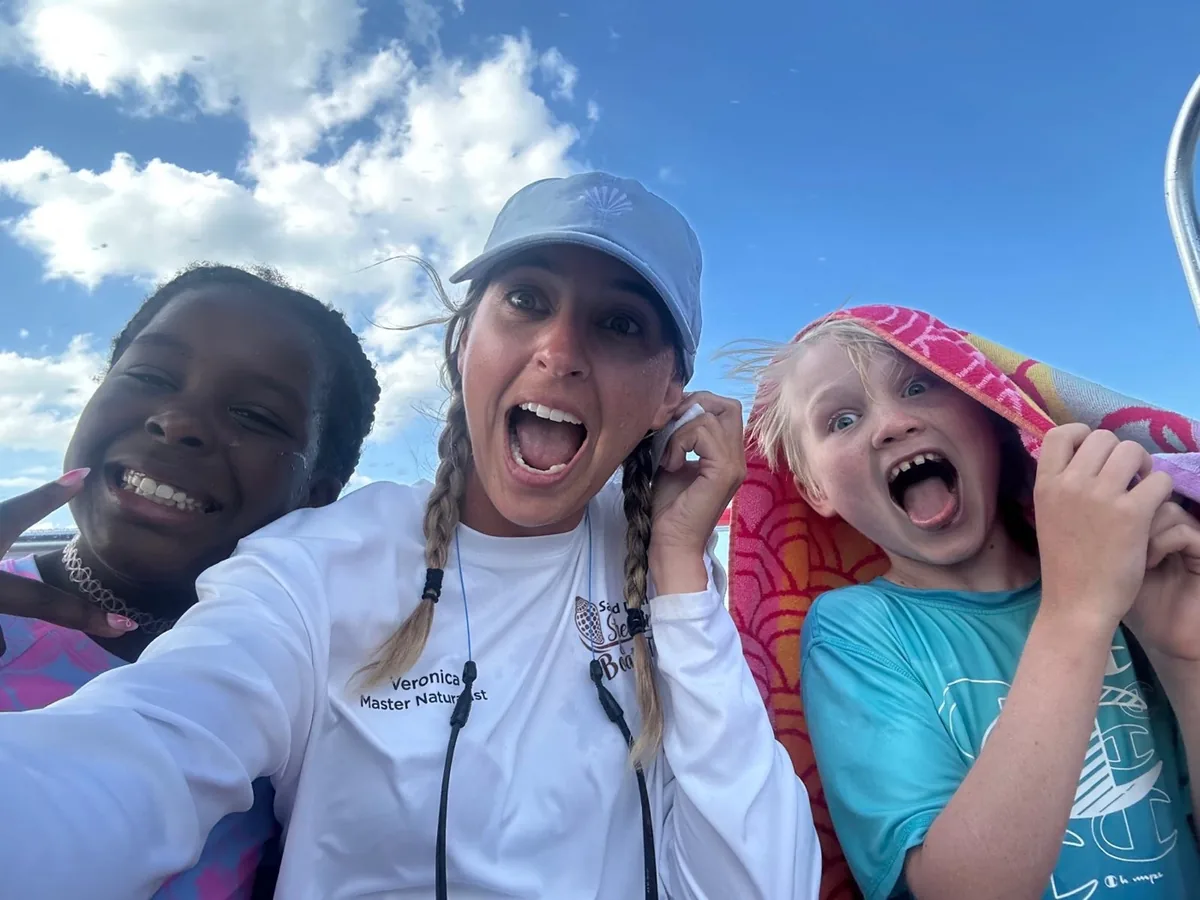
Three-hour guided shelling and dolphin trips into the Ten Thousand Islands from Goodland and Naples. Google 4.9 from 1,017 reviews. Books direct with the operator.
Times, tides & booking →See every verified experience on the list.
Common questions
When is the best time to go shelling in Naples?
Aim for the hour either side of low tide, ideally at or near sunrise to beat the crowds and the heat. The lowest tides come around the full and new moon, and winter is prime season — the morning after a cold front or storm churns up the Gulf and pushes a fresh wave of shells ashore. Check a tide app before you head out.
What kind of shells can you find in Naples?
Common finds include lightning whelks, fighting conchs, glossy olive shells, tiny rainbow coquinas, alphabet cones and tulips, plus whole sand dollars and the occasional dried starfish. The rare prize is the junonia, a spotted deep-water shell that only washes ashore after a strong blow and is seldom found intact.
What are the best shelling beaches near Naples?
Top spots include Delnor-Wiggins Pass State Park and Barefoot Beach Preserve in North Naples, Tigertail Beach on Marco Island (famous for its hidden lagoon and sand dollars), and centrally located Lowdermilk Park. For a serious day trip, Sanibel and Captiva islands, about 45 minutes north, are world-renowned for shelling.
Is it illegal to take shells from the beach in Florida?
Empty shells are legal to collect and keep. What's illegal is taking a live shell — one with the animal still inside. In Collier County (Naples and Marco Island) you may not remove any occupied shell, live starfish or live sand dollar, and state parks have their own rules. If a creature is inside, gently return it to the water.
What is the 'Sanibel Stoop'?
It's the affectionate name for the bent-over, head-down posture shellers adopt while scanning the sand. Made famous on Sanibel Island, it's now shorthand for the whole ritual of slow beach combing — and you'll find yourself doing it on Naples and Marco beaches too once the shells start turning up.
What should I bring for shelling?
Keep it simple: a mesh bag (it lets sand and water drain so your shells rinse clean), water shoes for walking the flats and shallows, sun protection, and a tide app on your phone to time low tide. An early start and a little patience matter more than any gear.